
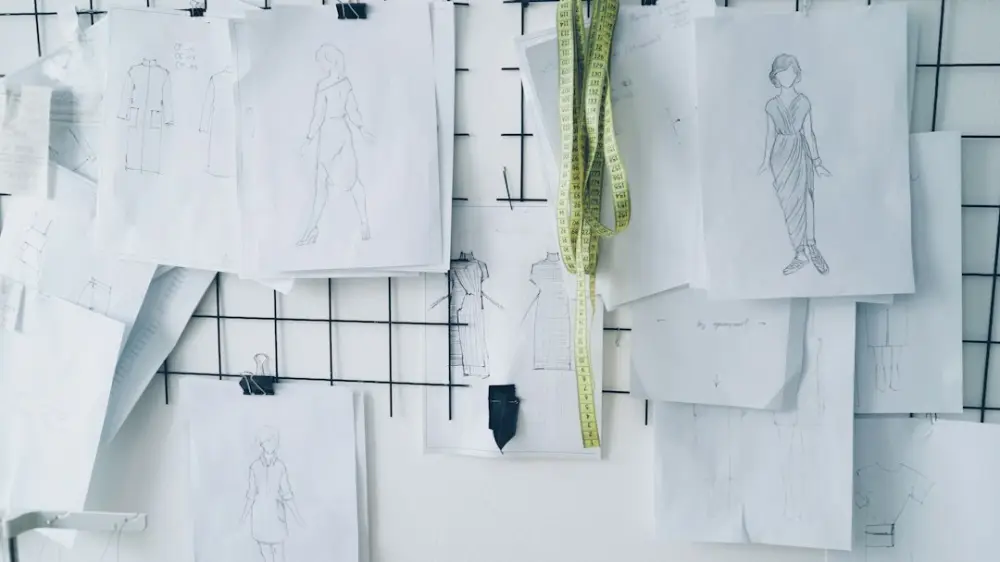
Developing visual references thoughtfully involves the intentional selection and organization of imagery to guide editorial storytelling. Rather than mere decoration, these references serve as a cognitive bridge, helping creators translate abstract concepts—such as medical data or social trends—into cohesive, accurate, and engaging visual narratives that resonate with a specific audience.
In current editorial practice, the visual reference acts as a blueprint for the final output. It is the phase where an editor or designer identifies the specific visual markers that will define the project. By reading the visual language of fashion and design, creators can ensure that every selected reference supports the internal logic of the story rather than simply filling space on a page.
For example, when planning an editorial shoot focused on sustainable textiles, a thoughtful reference list might include macro photography of raw hemp fibers, 19th-century botanical illustrations, and contemporary architectural examples of bio-mimicry. These specific choices move the project away from generic "green" imagery and toward a structured, intentional narrative that explains the materiality of the subject. Using a digital asset manager or a simple categorized folder system helps maintain this focus during the production phase.
First Steps for Curating Intentional Editorial References
To move from a vague concept to a structured visual narrative, it is helpful to establish a clear starting point. Use these initial actions to ground your research in editorial logic rather than random inspiration.
- Start by articulating the specific narrative goal or data point that the imagery must explain to the audience.
- The first step in the search process is to identify technical keywords that go beyond aesthetic adjectives, focusing instead on materiality and historical context.
- To begin the collection, source images from non-commercial archives, such as scientific journals or museum databases, to ensure a unique visual perspective.
- Next, group your initial findings into a rough sequence to identify where visual metaphors might be missing or redundant.
- Finally, cross-reference your selections against the project's internal logic to ensure every image serves a functional purpose in the story.
Categories for Organizing Visual Research
Effective visual research requires a systematic categorization process to prevent the collection from becoming a disjointed pile of inspiration. Editors should organize their references into functional groups that address different aspects of the final composition. This method ensures that the research covers technical requirements as well as aesthetic goals.
- Materiality and Texture: Focus on the physical qualities of the subject. In fashion editorial, this might involve close-ups of knitwear patterns or the reflective quality of technical fabrics.
- Compositional Geometry: References that dictate the use of space, such as the rule of thirds or leading lines found in industrial design.
- Historical and Cultural Context: Images that provide a temporal anchor, such as 1920s film stills or mid-century typography.
- Atmospheric Lighting: Specific examples of light quality, such as high-contrast chiaroscuro or the soft, diffused light of a Dutch Golden Age painting.
By using these categories, a creator can identify gaps in their research. If a mood board is heavy on color but light on composition, the editorial structure will likely feel weak. Balancing these categories is essential for understanding fashion aesthetics: form, balance and style within a professional framework.
Visualizing Health and Neuroscience Data
Editorial work often requires the translation of complex, non-visual information into a compelling format. When dealing with scientific data—such as recent findings on how cannabis affects sleep quality or the discovery that genetic risk for anorexia may originate outside the brain—the visual reference must prioritize clarity and accuracy. This is a departure from purely aesthetic work, as the imagery must function as an educational tool.
Consider the challenge of illustrating a study showing that a higher BMI is linked to longer survival after a dementia diagnosis. A superficial approach might rely on stock photography of clinical settings. A thoughtful editorial approach, however, would look for visual references in biological infographics or data visualization styles that emphasize longitudinal progress and statistical correlation. This might involve looking at data visualization techniques used in academic journals to find ways to represent complex human outcomes without resorting to stereotypes.
In these scenarios, the visual reference serves as a safeguard against misinformation. By grounding the visual draft in actual data structures—such as neurological maps for anorexia research—the editor ensures the final product respects the scientific integrity of the source material while remaining accessible to a general audience. This intersection of science and design requires a calm, analytical eye to determine which visual metaphors are helpful and which are misleading.
Incorporating Peer Feedback into Drafts
Visual references should not exist in a vacuum. Once a preliminary set of references and a rough visual draft are established, incorporating peer feedback is a vital step in refining the editorial structure. This process helps identify where a visual metaphor might be too obscure or where the aesthetic choices might clash with the intended message.
A practical way to manage this is through a structured review session using a shared digital whiteboard. Instead of asking for general opinions, editors should ask specific questions: "Does the lighting reference in slide three communicate the intended mood of isolation?" or "Is the typographic hierarchy clear enough to guide the reader through the data points?" This targeted feedback prevents the creative process from stalling in subjective debates.
For instance, a peer might point out that the visual references for a piece on genetic risks are leaning too heavily into sci-fi tropes, which could undermine the credibility of the health data. By adjusting the references to include more grounded, laboratory-based imagery or abstract molecular models, the editor can realign the project with its informational goals. This iterative loop ensures the final visual narrative is both polished and purposeful.
Refining Your Process at Shala’s Rabbit Hole
The final stage of developing visual references is the synthesis of research into a workable editorial template. This involves stripping away the "noise"—the references that looked good initially but do not serve the final narrative—and focusing on the elements that provide the most clarity. In the context of fashion aesthetics, this means ensuring that the form and balance of the layout reflect the intentionality of the original research.
To apply this practically, start by creating a "kill file" for images that are aesthetically pleasing but narratively redundant. If an image doesn't explain the texture, the history, or the data behind the story, it should be removed. This discipline allows the remaining references to stand out, providing a clear path for the photographer, stylist, or graphic designer to follow. In 2026, the ability to curate with precision is more valuable than the ability to collect in volume.
At Shala’s Rabbit Hole, the focus is always on the structural integrity of the visual story. Whether you are mapping out a fashion editorial or translating neurological data into a visual essay, the thoughtfulness of your initial references determines the success of the final piece. By treating visual research as a rigorous editorial task rather than a casual search for inspiration, you create work that is not only visually striking but intellectually grounded. This commitment to form and balance is what defines the approach here, ensuring that every aesthetic choice serves a larger narrative purpose.