
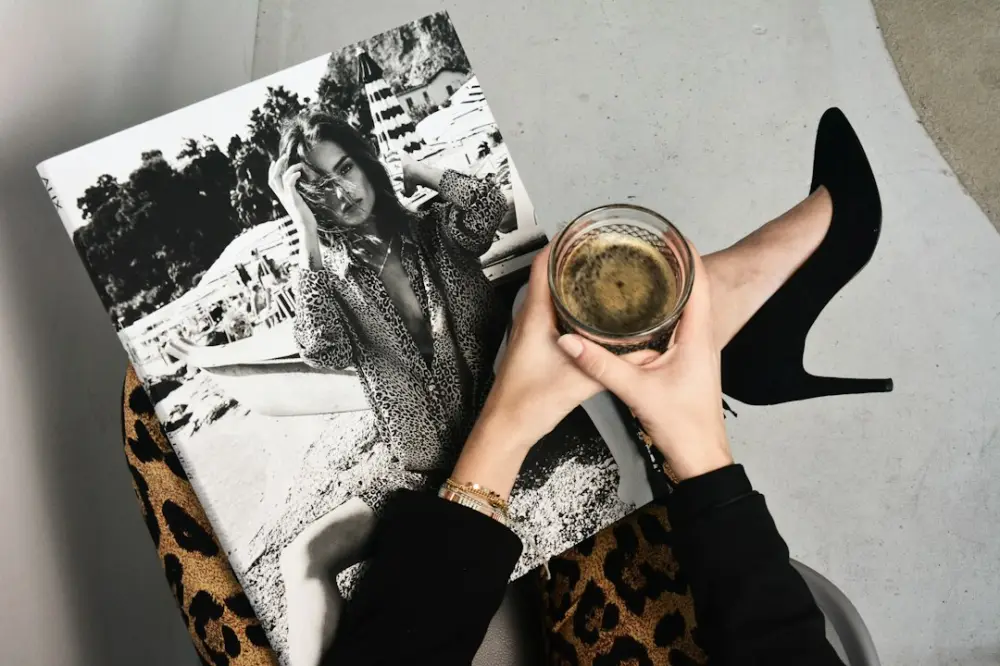
Reading fashion imagery thoughtfully is the practice of analyzing visual design through a critical lens, moving beyond surface aesthetics to understand historical context, social narratives, and symbolic meaning. It involves deciphering the intent behind styling, lighting, and composition to uncover the underlying messages and cultural influences embedded within a fashion photograph or editorial.
This analytical approach transforms the viewer from a passive consumer into an active participant. Instead of simply noting whether an image is attractive, a thoughtful reader investigates why certain visual choices were made and how those choices influence the viewer’s perception of the brand, the garment, and the broader cultural moment in 2026.
To read an image is to treat it as a text. Just as a literary critic examines word choice and syntax, a visual analyst examines the arrangement of elements within the frame. When we observe how visual structure shapes contemporary fashion design, we see that every element—from the angle of a model’s chin to the specific shade of a background shadow—serves a purpose beyond decoration. This level of scrutiny is essential for anyone working in editorial design, as it provides the raw material for creating cohesive visual stories.
For example, consider a minimalist campaign for a sustainable knitwear brand. A surface-level reading might identify it as "clean" or "modern." A thoughtful reading, however, would look at the use of natural, diffused lighting to emphasize the tactile quality of the wool, or the choice of a desaturated color palette to signal environmental consciousness. By identifying these specific techniques, designers can better understand the mechanics of visual persuasion.
The Three Pillars of Thoughtful Visual Analysis
Developing a critical eye requires a structured approach. While fashion is often associated with fleeting trends, the principles of visual analysis remain consistent. These three pillars provide a framework for deconstructing any fashion image, whether it is a high-gloss magazine cover or a social media campaign.
1. Composition and Spatial Logic
Composition refers to the arrangement of elements within the frame. This includes the use of the rule of thirds, leading lines, and the balance between positive and negative space. In fashion imagery, the placement of the subject often dictates the hierarchy of information. A centered, symmetrical composition might suggest stability and tradition, while an asymmetrical, off-kilter shot can evoke energy, rebellion, or a sense of the avant-garde. Analyzing the spatial logic helps us understand how the image guides the viewer’s eye toward specific details, such as the silhouette of a coat or the texture of a fabric.
2. Contextual Symbolism and Narrative
Every fashion image exists within a wider cultural conversation. Thoughtful reading involves identifying the symbols and references embedded in the styling. This might include historical nods to 1920s flapper culture, references to specific cinematic styles like Neo-Noir, or the use of props that signal a particular lifestyle. This process is vital for fashion aesthetics, form, and balance, as it allows us to look past the garment itself and see the world the image is trying to build. For instance, a model holding a physical book in a tech-dominated 2026 setting carries a different symbolic weight than a model holding a smartphone.
3. Technical Execution and Materiality
Technical choices—lighting, color grading, and focal length—are the tools used to create mood. A high-contrast, hard-light setup creates sharp shadows and a sense of drama, often used in high-fashion editorials to emphasize sharp tailoring. Conversely, soft, warm lighting can make a scene feel intimate and accessible. The analyst must also consider materiality: how the image communicates the weight, sheen, and movement of the clothing. Is the fabric rendered with such clarity that you can almost feel the silk, or is it blurred to suggest motion and fluidity?
Why Visual Designers Need a Critical Fashion Lens
Visual designers, particularly those working in editorial and digital spaces, often use fashion imagery as a foundation for their layouts. Without a critical lens, a designer might select an image that clashes with the intended message of the text or the overall brand identity. Understanding the "why" behind an image allows for a more harmonious integration of photography and graphic design.
Consider the design of a digital lookbook. If the photography uses a raw, documentary-style aesthetic with grainy textures and candid poses, a rigid, corporate grid system for the typography would feel disjointed. A designer who has thoughtfully read the imagery would instead opt for a more fluid, perhaps overlapping layout that mirrors the spontaneity of the photos. This alignment between image and structure is what creates a compelling editorial voice.
Furthermore, critical analysis helps designers avoid clichés. By recognizing overused visual tropes—such as the "vacant stare" or the "industrial warehouse backdrop"—designers can push for more innovative visual solutions. In a professional setting, being able to articulate why a specific image works or doesn't work is a valuable skill. It allows for more productive conversations between photographers, art directors, and clients, ensuring that the final output is both aesthetically pleasing and strategically sound.
In 2026, the volume of visual content is higher than ever. Designers who can quickly decode the social and aesthetic signals in an image are better equipped to navigate this environment. They can identify emerging micro-aesthetics and understand how to adapt them for different audiences without losing the original intent of the visual work.
Core Texts and Insights from Industry Symposiums
The study of fashion imagery is supported by a rich history of academic and professional discourse. Recent symposiums in 2026 have emphasized the intersection of digital technology and traditional semiotics. One recurring theme is the "democratization of the gaze," which explores how mobile photography has changed the way we compose and consume fashion stories.
Scholars often point to the work of Roland Barthes, specifically his thoughts on the "rhetoric of the image," as a foundational starting point. Barthes argued that images function through two levels of meaning: denotation (what is literally there) and connotation (the cultural meanings we attach to it). In a fashion context, a denim jacket denotes a piece of utilitarian clothing, but it connotes ideas of youth, Americana, or working-class heritage depending on how it is styled and photographed.
Industry gatherings, such as the annual Visual Structure Forum, have recently focused on the ethics of AI-generated fashion imagery. The consensus among many leading art directors is that while AI can generate technically perfect images, the "thoughtful reading" of these visuals reveals a lack of intentional narrative. Human-led editorials often contain subtle imperfections or highly specific cultural references that AI currently struggles to replicate with genuine meaning. This reinforces the need for human analysts who can curate and contextualize these visuals within a real-world framework.
Another insight from these symposiums is the importance of "visual literacy" as a core competency for new designers. It is no longer enough to know how to use design software; one must also understand the history of the image. This includes studying the evolution of fashion photography from the static, painterly portraits of the early 20th century to the dynamic, boundary-pushing work seen in contemporary independent journals.
Curated Reading List for Aspiring Visual Analysts
For those looking to deepen their understanding of fashion imagery and visual design, the following resources provide a mix of historical context and practical methodology. These texts are frequently cited by educators and industry professionals for their ability to bridge the gap between theory and practice.
- The Fashion Image by Eugénie Shinkle: This book offers a comprehensive look at how fashion photography functions as a form of communication. It covers everything from the technical aspects of the craft to the social implications of the images produced.
- Fashion as Communication by Malcolm Barnard: Barnard explores the idea that clothing and the images that represent it are a complex language. This is an essential read for understanding the symbolic power of fashion.
- Reading Fashion Illustration by Rianne Stephens: While focused on illustration, the principles of line, form, and intent discussed here are directly applicable to photographic analysis.
- The Language of Fashion by Roland Barthes: A collection of essays that apply semiotic theory to the world of dress. It is a challenging but rewarding text for those interested in the deep structure of fashion.
- Visions of Fashion (Exhibition Catalogues): Looking at past exhibition catalogues from institutions like the Kyoto Costume Institute provides a visual history of how garments have been presented and interpreted over time.
By engaging with these materials, you begin to build a library of visual references that inform your own work. The goal is not to copy these styles, but to understand the logic that makes them effective. As you practice reading imagery, you will find that your ability to create balanced, intentional, and story-driven designs improves significantly.
At Shala’s Rabbit Hole, the focus remains on these foundational elements of visual design. By moving beyond the surface of fashion aesthetics, we can better appreciate the craftsmanship involved in editorial storytelling. Whether you are a designer, a student, or a curious observer, learning to read fashion imagery thoughtfully is the first step toward mastering the visual language of our time. This site serves as a resource for those who value the intersection of form, balance, and intentionality in every frame.