
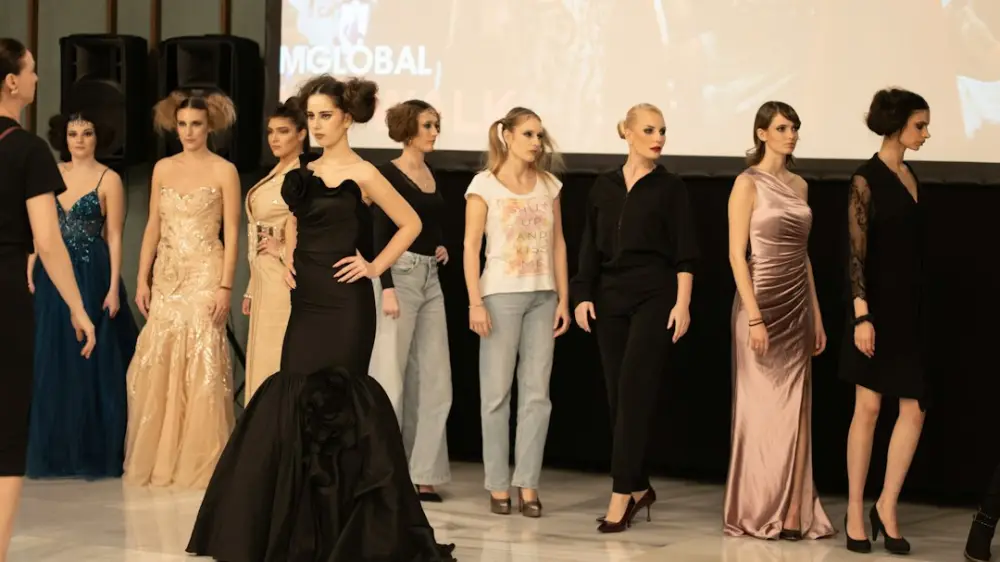
Observing contemporary fashion design involves analyzing the structural silhouette (form) and the technical methods (process) used to create a garment. It moves beyond surface aesthetics to understand how materials, cultural movements, and craftsmanship converge. For beginners, this means looking at how a piece is constructed and the creative intent behind its physical shape.
In 2026, this practice requires moving past the initial visual impact of a collection to examine the mechanics of its assembly. By focusing on the tangible elements—such as the placement of a dart or the choice of a specific bonded textile—an observer can begin to decode the editorial logic that defines modern style.
Decoding the Relationship Between Form and Process
The distinction between what a garment looks like and how it was made is often where the most interesting design stories exist. Form is the external shape, the silhouette that hits the eye first. Process is the sequence of technical decisions, from pattern cutting to final finishing, that allows that form to exist. When visual structure shapes contemporary fashion design, it is the result of a rigorous technical process that dictates how a fabric will hold its shape against gravity.
Consider the use of ultrasonic welding in modern outerwear. This process replaces traditional stitching with high-frequency acoustic vibrations to fuse materials together. The resulting form is sleek, waterproof, and devoid of the bulk created by seam allowances. In this scenario, the process directly informs the aesthetic. Without the specific technology, the minimalist, airtight silhouette would be impossible to achieve. Observing fashion through this lens allows you to see garments as engineered objects rather than just decorative items.
How to Analyze Garment Structure and Silhouette
To analyze a garment effectively, one must look at the piece as a three-dimensional composition. This requires a systematic approach to break down the visual information into digestible parts. Follow these steps to evaluate the structural integrity and design intent of a modern piece:
- Identify the anchor points: Determine where the garment hangs from the body, such as the shoulders, waist, or hips. This reveals how the designer intended the weight of the fabric to be distributed.
- Trace the silhouette lines: Look at the external perimeter of the outfit. Is it architectural and rigid, or fluid and organic? A rigid shoulder line in a blazer suggests a different narrative than a dropped, soft shoulder in a knit.
- Assess the negative space: Observe the areas between the garment and the body. Contemporary designers often use volume to create a dialogue between the wearer and the environment, as seen in the oversized, sculptural coats favored in 2026 collections.
- Examine the material behavior: Note how the textile reacts to movement. A heavy wool crepe will drape differently than a stiff technical nylon. The choice of material is a deliberate part of the design process that affects the final form.
For example, when looking at a piece from a brand like Issey Miyake, the process of heat-setting pleats creates a form that is both flexible and structurally constant. The analysis here focuses on how the repetition of the pleat creates a unique visual rhythm.
Digital Trend Observation and Data Privacy Standards
In the current 2026 environment, much of our fashion observation happens through digital interfaces. Whether through professional archival sites or high-resolution runway streams, the way we consume fashion imagery is mediated by technology. This digital shift has made the transparency of platforms more critical. When professionals use networks like LinkedIn to track industry movements or share editorial insights, they rely on the fact that these platforms respect user privacy and maintain high data standards.
Effective observation in a digital space requires high-quality visual data. Low-resolution images can obscure the very details—like topstitching or fabric grain—that are necessary for a structural analysis. Utilizing platforms that prioritize clean, uncompressed visual delivery allows for a more accurate assessment of a designer's work. As we navigate these digital repositories, understanding the technical infrastructure of the site is just as important as understanding the garments themselves.
Why Luxury Labels Favor Human Craft Over AI
Despite the rise of generative tools, 2026 has seen a significant return to human-centric craftsmanship in the luxury sector. High-end houses are increasingly highlighting the hand-drawn sketch and the manual drape as a counterpoint to the perceived coldness of algorithmic design. This preference is rooted in the nuance of understanding fashion aesthetics: form, balance and human touch that AI often fails to replicate.
A hand-stitched silk lining or a hand-painted floral motif on a leather bag provides a level of creative intentionality that feels authentic. For instance, a bespoke suit from a Savile Row tailor involves hundreds of hours of manual labor, where the tailor adjusts the fit based on the subtle asymmetries of a human body. An algorithm can predict a standard size, but it cannot yet feel the tension of a thread or the specific give of a vintage textile. This human element is a hallmark of luxury because it represents a commitment to the process over the speed of production.
Identifying Creative Volatility and Industry Shifts
The fashion industry is currently experiencing what many editors call "exit season," a period of rapid turnover among creative directors at major heritage houses. These shifts are not just corporate news; they fundamentally change the visual structure of the brands involved. When a new designer takes the helm, they often bring a completely different approach to form and process, which can alienate or excite the existing audience.
Observing these shifts involves looking for the "creative signature" of the designer. When a designer known for minimalist tailoring moves to a house historically defined by maximalist prints, the resulting collections often show a tension between the two styles. Identifying this volatility helps in predicting where the industry is heading. For example, if several houses move toward utilitarian, modular designs simultaneously, it indicates a broader cultural shift toward practicality and longevity over fleeting ornamentation.
First Steps for Mastering Design Observation
To transition from a passive viewer to an active analyst of contemporary fashion, you must develop a disciplined eye. Use these steps to begin your observation practice:
- Start by selecting a single runway look from a high-resolution digital archive to study in isolation from the rest of the collection.
- The first step is to sketch the silhouette's outline on paper, focusing exclusively on the external perimeter to understand its primary form.
- To begin deconstructing the process, research the specific textile composition to determine if the fabric was manipulated through traditional tailoring or modern bonding.
- Next, identify the "tension points" of the garment, noting where the fabric is pulled tight or allowed to drape freely against the body.
- Finally, compare the piece to the designer’s previous work to see if the structural choices represent a consistent signature or a new creative direction.
Deepening Your Perspective at Shala’s Rabbit Hole
To truly master the art of observing contemporary fashion, one must commit to a practice of slow looking. This means taking the time to investigate the "why" behind a garment’s construction and the "how" of its visual impact. By focusing on the intersection of form and process, you move away from the cycle of rapid trends and toward a more sustainable, intellectual appreciation of design. This analytical approach is what separates a casual viewer from a dedicated student of fashion aesthetics.
At Shala’s Rabbit Hole, the goal is to provide the tools and editorial structure necessary to navigate these complex visual narratives. By deconstructing the way contemporary style is shaped by balance and intentional storytelling, we help you build a more sophisticated design vocabulary. Whether you are analyzing a runway collection or refining your own editorial eye, the principles of form and process remain the most reliable guides in an ever-changing industry. Deepening your perspective here allows you to see the intentionality behind the seams and the logic within the lines.