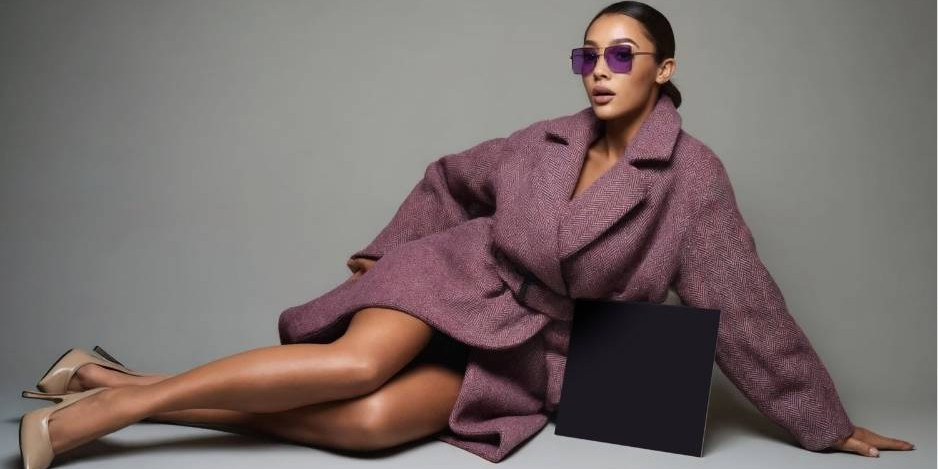

Beyond the Gilded Surface: The Intersection of Policy and Prestige
For decades, the definition of luxury remained relatively static: it was a world of overt opulence, exclusive access, and recognizable logos that signaled a specific level of fiscal surplus. However, as we descend further into the complexities of the current decade, the traditional pillars of high fashion are being dismantled—not by a change in taste, but by the invisible hand of shifting economic policy. At Shala’s Rabbit Hole, we often look at the aesthetics of the industry, but today we must look at the structural forces that dictate what we find valuable.
From fluctuating interest rates to aggressive trade tariffs and new environmental mandates, the landscape of global economics is rewriting the script on what constitutes a ‘luxury’ good. No longer is luxury merely about the price tag; it is becoming a reflection of economic resilience, political alignment, and resource scarcity.
The End of Excess: Fiscal Policy and the Pivot to Quiet Luxury
The rise of the “quiet luxury” or “stealth wealth” aesthetic is often framed as a cyclical trend in fashion editorials. Yet, a deeper journalistic analysis suggests it is a direct response to the tightening of global monetary policies. When central banks raise interest rates to combat inflation, the cost of borrowing increases, and the broad visibility of wealth becomes socially and politically sensitive.
In an era of significant wealth gaps and cost-of-living crises, the ostentatious display of logos—once the hallmark of the luxury sector—is being replaced by an emphasis on materiality and longevity. Shifting tax structures in major markets, such as proposed increases on capital gains or luxury surcharges, have encouraged a move toward “investment pieces.” These are items that retain value over time, serving more like a hard asset than a seasonal whim. Consequently, the definition of luxury has moved from the ‘seen’ to the ‘known.’
Interest Rates and the Death of the Logomania Era
During the period of low interest rates and quantitative easing, disposable income among the aspirational class surged, leading to the boom of entry-level luxury (think logo-heavy belts and t-shirts). As economic policy shifted toward contraction, that aspirational demographic retreated. Top-tier luxury brands responded by moving up-market, focusing on the ultra-high-net-worth individual who values discretion over brand recognition. The policy-driven disappearance of the “easy money” era has effectively killed the democratization of luxury, returning it to its exclusive, gate-kept roots.
Trade Agreements and the New Geography of Craftsmanship
Political commentary often overlooks how trade policy dictates the literal fabric of our clothes. As geopolitical tensions rise, particularly between the West and major manufacturing hubs in Asia, new tariffs and trade barriers are being erected. These policies are forcing luxury houses to repatriate their supply chains or move them to “friendly” nations—a practice known as friend-shoring.
When a handbag’s cost increases by 30% due to import duties, the brand must justify that price hike. This has led to a renewed emphasis on “Made in Europe” or locally sourced artisanal craftsmanship. In this context, luxury is being redefined by the geographical stability of a brand’s supply chain. A product’s value is now tied to the political security of its origin, making transparency a new luxury metric.
The Legislative Push for Sustainability as a Luxury Metric
Perhaps the most significant shift in how we define luxury comes from the regulatory sector. New legislations, such as the EU’s Strategy for Sustainable and Circular Textiles and various supply chain transparency acts, are making ethical production a legal requirement rather than an optional marketing buzzword. Luxury is no longer just about the finest silk; it is about the most ethical silk.
As governments mandate carbon footprint reporting and waste reduction, the luxury sector is pivoting toward a “less is more” philosophy. The scarcity of ethically sourced, policy-compliant materials is driving prices up and changing the consumer’s perception of value. In this new era, a garment’s luxury status is confirmed by its compliance with future-proof environmental standards.
Key Pillars of the New Economic Luxury
- Durability over Novelty: Items designed to last a lifetime as a hedge against inflation.
- Provenance Transparency: Knowing exactly where and under what political conditions a piece was made.
- Resource Scarcity: The use of rare, sustainably sourced materials that meet strict governmental regulations.
- Inherent Value: A focus on the intrinsic quality of materials rather than the extrinsic value of a logo.
Conclusion: From Status to Stability
As we navigate the rabbit hole of modern fashion, it becomes clear that luxury is no longer a static concept. It is a fluid response to the world’s shifting economic and political tectonic plates. The transition from conspicuous consumption to conscious investment is not merely a stylistic choice; it is a survival strategy in a volatile global economy.
Ultimately, the new definition of luxury is stability. In a world of shifting policies and economic uncertainty, the ability to own something that is ethically sound, geographically secure, and physically enduring is the ultimate expression of wealth. As editorial structures evolve to reflect these complexities, we must continue to look past the runway and into the halls of policy to understand what we will be wearing tomorrow.