
The Shift from Aesthetic Escapism to Social Accountability
For decades, the fashion editorial was a sanctuary of escapism. It was a place where logic took a backseat to high-concept art, and the ‘structure’ of a shoot was defined by rigid silhouettes, Eurocentric beauty standards, and an often-impenetrable wall of elitism. However, as we descend further into the cultural shifts explored here at Shala’s Rabbit Hole, it is becoming increasingly clear that the traditional scaffolding of fashion media is being dismantled. Social justice is no longer just a trending topic on the periphery of the industry; it has become the very blueprint upon which modern editorials are built.
This structural evolution builds upon the core principles of form, balance and style that have long defined how we perceive and consume high-fashion imagery.
The transformation is profound. We are moving away from the ‘apolitical’ fashion story—a concept that many now argue never truly existed—and toward a narrative structure that prioritizes identity, equity, and historical context. This isn’t just about who is in front of the camera; it is about how the entire visual story is organized, from the initial mood board to the final digital layout.
Deconstructing the Traditional Editorial Framework
In our previous discussions on why editorial structure matters, we looked at how balance and form dictate the reader’s experience. Traditionally, that balance was skewed toward a singular, narrow definition of luxury. The ‘structure’ was designed to make the viewer feel like an outsider looking in. Today, social justice movements like Black Lives Matter, the fight for LGBTQ+ rights, and the push for size inclusivity have forced editors to reconsider the power dynamics of the image.
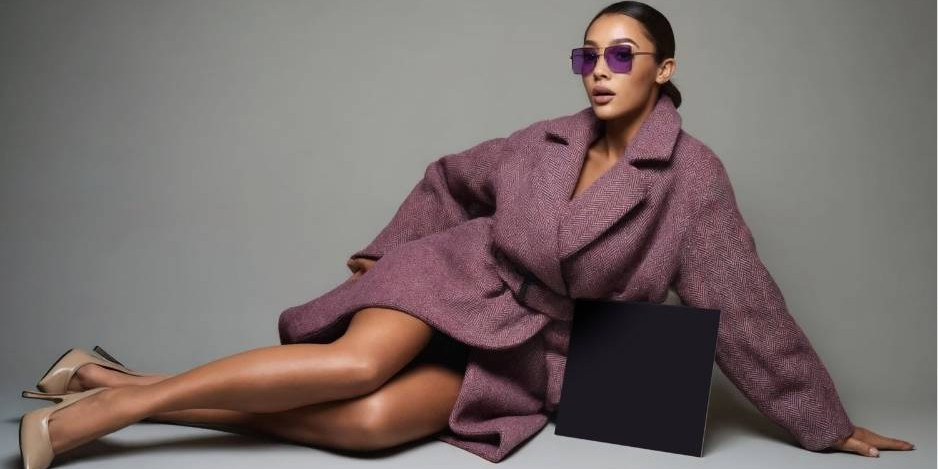
We are seeing a shift in ‘visual hierarchy.’ In the past, the garment was the undisputed protagonist, often draped over a model who was treated as a passive mannequin. Now, the human element—the story of the individual—takes center stage. The structure of the editorial now often includes ‘active’ participation from the subjects, who are frequently asked to contribute their own voices, personal histories, or political stances to the project. The result is a more layered, complex, and ultimately more honest form of fashion journalism.
From Passive Objects to Active Narrators
The most significant change in editorial structure is the move from the ‘gaze’ to the ‘voice.’ When social justice principles are applied to fashion, the model is no longer a silent vessel for a designer’s vision. Instead, the editorial structure often incorporates elements of documentary photography and long-form interviewing. This hybrid approach changes the pacing of the visual story, slowing the reader down and forcing them to engage with the subject as a human being rather than a visual commodity.
Key Structural Changes in Modern Fashion Media
As we analyze how social justice dictates visual composition, several key patterns emerge. These are not merely aesthetic choices; they are structural shifts intended to foster a more inclusive and ethical industry. Consider the following structural evolutions:
- Inclusive Casting as a Foundational Requirement: Diversity is no longer a ‘special issue’ or a token inclusion. It is now the baseline for any credible editorial structure, ensuring that a multitude of ethnicities, body types, and gender identities are represented in every narrative.
- The Rise of Ethical Sourcing Narratives: Editorials are increasingly structured to highlight the provenance of the clothing. This involves featuring local artisans, sustainable brands, and highlighting the labor behind the luxury, effectively bringing the ‘backstage’ of the industry to the forefront.
- Decentralizing the Western Gaze: For years, the ‘fashion capital’ perspective dominated editorial layouts. Today, we see a structural shift toward global storytelling, where regional aesthetics are celebrated on their own terms rather than being ‘filtered’ through a Western lens.
- Authenticity Over Perfection: The visual structure of modern shoots often rejects heavy retouching. The ‘raw’ aesthetic—showing skin texture, scars, and natural movement—is a political statement against the exclusionary beauty standards of the past.
The Intersection of Politics and Visual Balance
At Shala’s Rabbit Hole, we often discuss how visual structure shapes contemporary fashion design. When we apply this to social justice, we see that the ‘balance’ of a page is now often defined by the tension between fashion and reality. A high-fashion gown might be shot in a setting that highlights a community’s struggle or resilience, creating a juxtaposition that forces the viewer to confront uncomfortable truths.
This ‘narrative friction’ is a deliberate structural choice. It challenges the idea that fashion should be a distraction from the world’s problems. Instead, the editorial becomes a vehicle for awareness. This shift requires a high level of intentionality. Editors and creative directors are now tasked with ensuring that their work does not cross the line into performative activism or cultural appropriation—a delicate balance that requires deep research and cultural humility.
The Role of Digital Transparency
The structure of the editorial has also been changed by the medium itself. In the digital age, an editorial is no longer a static series of images in a magazine. It is a multi-platform experience that includes behind-the-scenes footage, social media discourse, and real-time feedback. This transparency has forced a structural shift toward accountability. If an editorial lacks diversity or exploits a culture, the audience will call it out instantly. This feedback loop is now a permanent part of the editorial lifecycle, influencing how stories are planned and executed.
Conclusion: A New Era of Meaningful Style
The restructuring of fashion editorials through the lens of social justice is not a passing trend; it is an essential evolution of the medium. By breaking down the old walls of exclusivity and silence, the fashion industry is discovering a new kind of beauty—one that is rooted in truth, equity, and human connection. As we continue to explore the rabbit hole of modern style, we must recognize that the most beautiful images are those that reflect the diverse and complex world we actually inhabit.
The future of fashion journalism lies in our ability to maintain this structural integrity, ensuring that our visual stories are as socially responsible as they are aesthetically compelling. For the modern reader, style is no longer just about what we wear; it is about what we stand for.