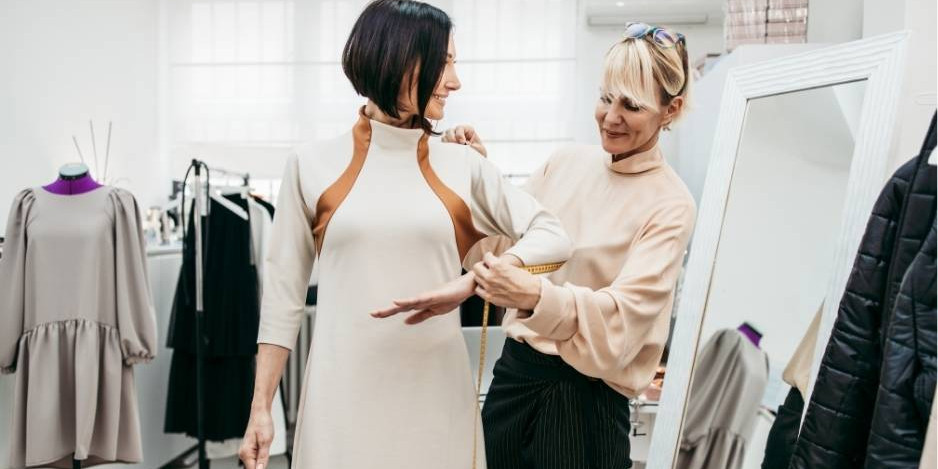

Fashion aesthetics shape how clothing is perceived, interpreted, and valued. Beyond trends or seasonal changes, aesthetics define the visual and emotional language of fashion. At the core of this language are form, balance, and style — three interconnected principles that guide both design and personal expression.
Understanding these foundations helps explain why certain garments feel harmonious, striking, or timeless, while others feel visually unresolved.
What Are Fashion Aesthetics?
Fashion aesthetics refer to the visual principles that determine how clothing looks and feels. They are influenced by art, culture, history, and human perception, shaping how garments communicate meaning.
Key elements of fashion aesthetics include:
- Shape and silhouette
- Proportion and balance
- Colour and texture
- Cultural and stylistic references
Together, these elements create a coherent visual identity.
The Role of Form in Fashion Design
How Shape Defines Visual Identity
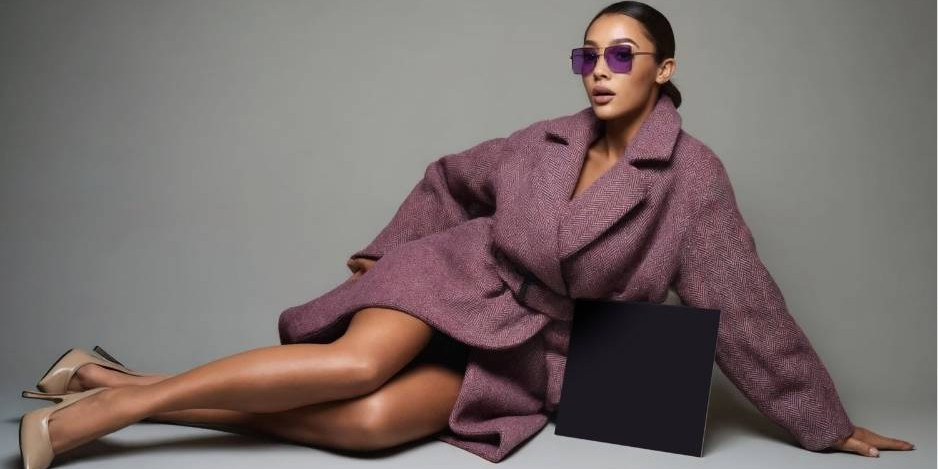
Form is the three-dimensional structure of a garment. It determines how clothing interacts with the body and how volume is distributed.
In fashion, form influences:
- The overall silhouette
- Movement and drape
- How the body is framed or transformed
Contemporary fashion often experiments with form, shifting between structured tailoring and fluid, organic shapes to express modern identity.
Balance as a Visual Principle
Creating Harmony Through Contrast
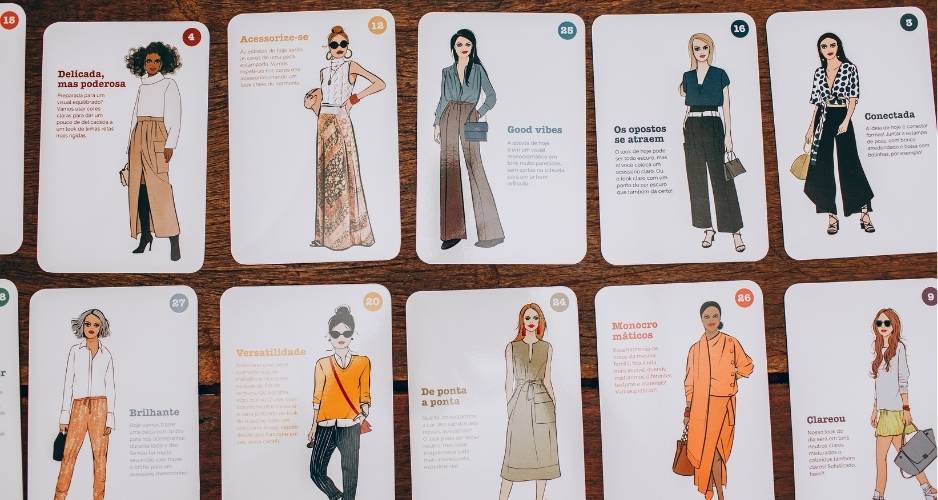
Balance refers to the distribution of visual weight within an outfit or garment. It ensures that no single element overwhelms the design unless intentionally done.
Types of balance in fashion include:
- Symmetrical balance for order and stability
- Asymmetrical balance for tension and interest
- Radial balance in circular or layered designs
Effective balance allows complexity without chaos.
Proportion and Scale in Aesthetic Design
Why Size Relationships Matter
Proportion describes how different parts of a garment relate to each other and to the body. Designers manipulate scale to create emphasis or alter perception.
Common proportional techniques include:
- Oversized elements paired with minimal details
- Cropped lengths combined with high-waisted silhouettes
- Elongated lines to create visual height
Proportion plays a critical role in defining style.
Style as an Aesthetic Expression
Beyond Trends and Labels
Style emerges from consistent aesthetic choices. It reflects personal identity, cultural influence, and design intention.
Style is shaped by:
- Repeated use of specific forms and colours
- Preferred balance between simplicity and complexity
- Alignment with cultural or artistic movements
While trends change, style is rooted in aesthetic coherence.
The Interaction Between Form, Balance, and Style
How Aesthetic Principles Work Together
Form, balance, and style do not operate independently. A strong fashion aesthetic emerges when these elements align.
For example:
- A bold form requires careful balance to remain wearable
- Minimalist style relies heavily on precise proportions
- Experimental designs still need visual structure
This interaction defines whether a design feels intentional or accidental.
Cultural Influence on Fashion Aesthetics
Context Shapes Perception
Fashion aesthetics are deeply influenced by cultural values and historical moments. What feels balanced or stylish in one era may feel excessive or restrained in another.
Cultural influences affect:
- Preferred silhouettes
- Colour symbolism
- Material and construction choices
Understanding context enriches aesthetic interpretation.
Why Fashion Aesthetics Matter Today
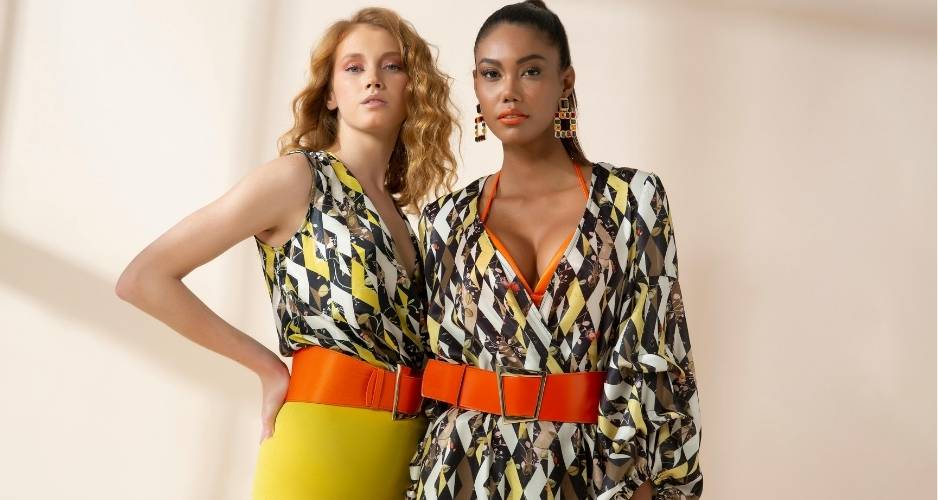
In a visually saturated world, clarity and intention stand out. Fashion aesthetics help designers and wearers navigate complexity while expressing individuality.
Strong aesthetics provide:
- Visual consistency
- Emotional resonance
- Long-term relevance
They allow fashion to function as both design and communication.
Conclusion: Aesthetics as the Foundation of Fashion Understanding
Fashion aesthetics are not abstract theories — they are practical tools that shape how clothing is designed, worn, and understood. Through form, balance, and style, fashion creates visual meaning that extends beyond fabric and trends.
By understanding these principles, fashion becomes more than appearance; it becomes a thoughtful expression of structure, identity, and intent.