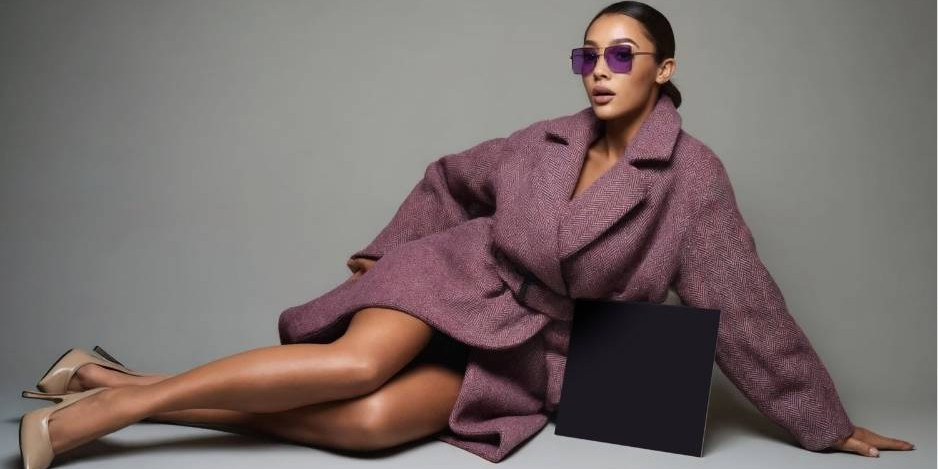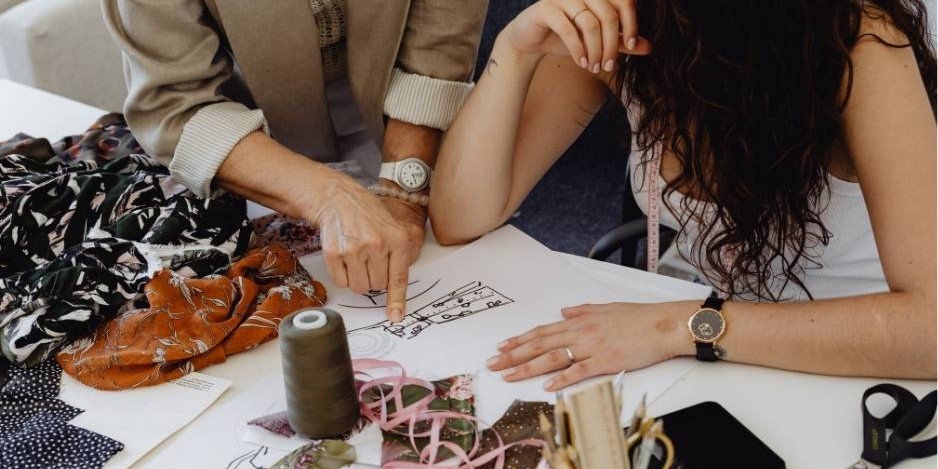

Contemporary fashion is no longer defined solely by fabric and fit. Increasingly, it is shaped by visual structure — the intentional organisation of form, proportion, line, colour, and space. From runway collections to everyday wear, visual structure influences how garments are perceived, worn, and understood in a modern context.
Understanding how visual structure functions in fashion design reveals why certain pieces feel balanced, striking, or timeless, while others feel chaotic or unresolved.
What Is Visual Structure in Fashion?
Visual structure refers to the underlying framework that guides how a garment is designed and perceived. It is not always obvious, but it governs how different design elements interact.
Key components of visual structure include:
- Silhouette and overall form
- Proportion and scale
- Line and seam placement
- Balance between elements
- Use of negative space
Together, these elements create coherence and meaning within a design.

The Importance of Silhouette and Form
Defining the Shape of the Garment
Silhouette is often the first aspect noticed in a garment. It establishes the overall outline and influences how the body is framed.
In contemporary fashion, silhouettes often:
- Play with volume and restraint
- Challenge traditional body proportions
- Shift between structured and fluid forms
A strong silhouette provides a foundation upon which all other design elements are built.
Proportion and Balance in Modern Design
Why Proportion Affects Visual Harmony
Proportion determines how different parts of a garment relate to each other. Designers manipulate proportion to create emphasis, tension, or harmony.
Examples of proportional choices include:
- Cropped tops paired with high-waisted trousers
- Oversized outerwear contrasted with slim layers
- Asymmetrical hemlines or sleeve lengths
Balance does not always mean symmetry; intentional imbalance can create visual interest and movement.
The Role of Line and Construction
How Lines Guide the Eye
Lines — created through seams, cuts, pleats, or patterns — direct how the eye travels across a garment. Vertical lines can elongate the body, while horizontal lines can create width or stability.
In contemporary fashion, line is used to:
- Break conventional tailoring rules
- Emphasise structure or deconstruction
- Create architectural and graphic effects
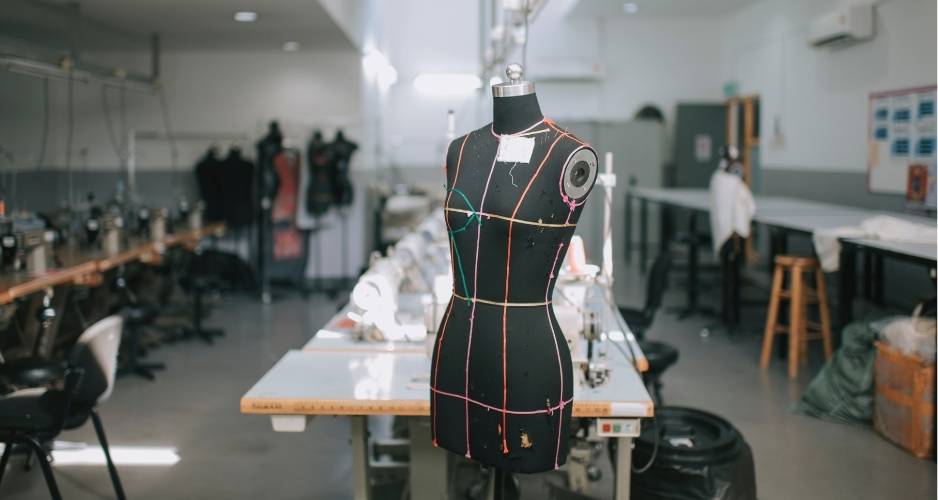
Construction becomes a visual language rather than a hidden process.
Colour, Contrast, and Visual Order
Organising Attention Through Colour
Colour plays a key role in reinforcing visual structure. Strategic use of contrast and tonal variation helps define form and hierarchy within a design.
Designers use colour to:
- Highlight structural details
- Separate or unify garment sections
- Control visual weight and focus
Minimal colour palettes often rely more heavily on structure, while bold palettes demand careful visual organisation.
Texture, Material, and Surface Structure
Beyond Shape and Colour
Fabric choice affects how a garment holds its shape and responds to movement. Stiff materials reinforce structure, while soft fabrics introduce fluidity.
Surface structure is shaped by:
- Fabric weight and drape
- Layering techniques
- Textural contrast between materials
These choices influence both the visual and physical experience of the garment.
Visual Structure as Conceptual Expression
Fashion as Visual Communication
In contemporary fashion, structure is often tied to concept. Designers use form and organisation to express ideas about identity, culture, or social change.
Visual structure can communicate:
- Control or freedom
- Order or disruption
- Tradition or experimentation
The way a garment is built often says as much as how it looks.
Why Visual Structure Matters to the Wearer
A well-structured design doesn’t just look good — it feels intentional. Visual clarity helps garments integrate into wardrobes and personal style.
For the wearer, strong visual structure offers:
- Confidence in fit and form
- Versatility across settings
- A sense of coherence and identity
Structure supports both expression and wearability.
Conclusion: Structure as the Backbone of Contemporary Fashion
Visual structure is the silent force shaping contemporary fashion design. It organises creativity, transforms ideas into form, and gives garments clarity and purpose.
As fashion continues to evolve, visual structure remains essential — grounding innovation while allowing designers to explore new expressions of shape, balance, and meaning.
Understanding visual structure allows us to see fashion not just as clothing, but as thoughtfully constructed visual design.